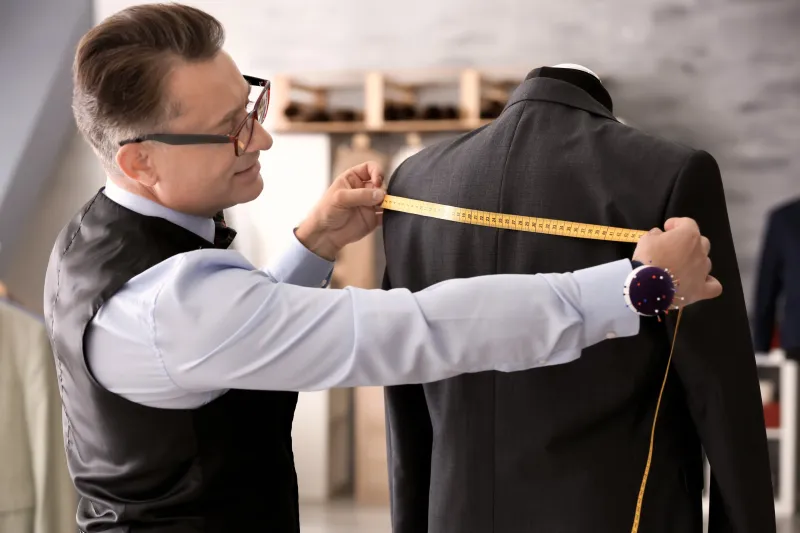
Dress Like You Inherited Something: The Case for One 'Grandpa' Piece
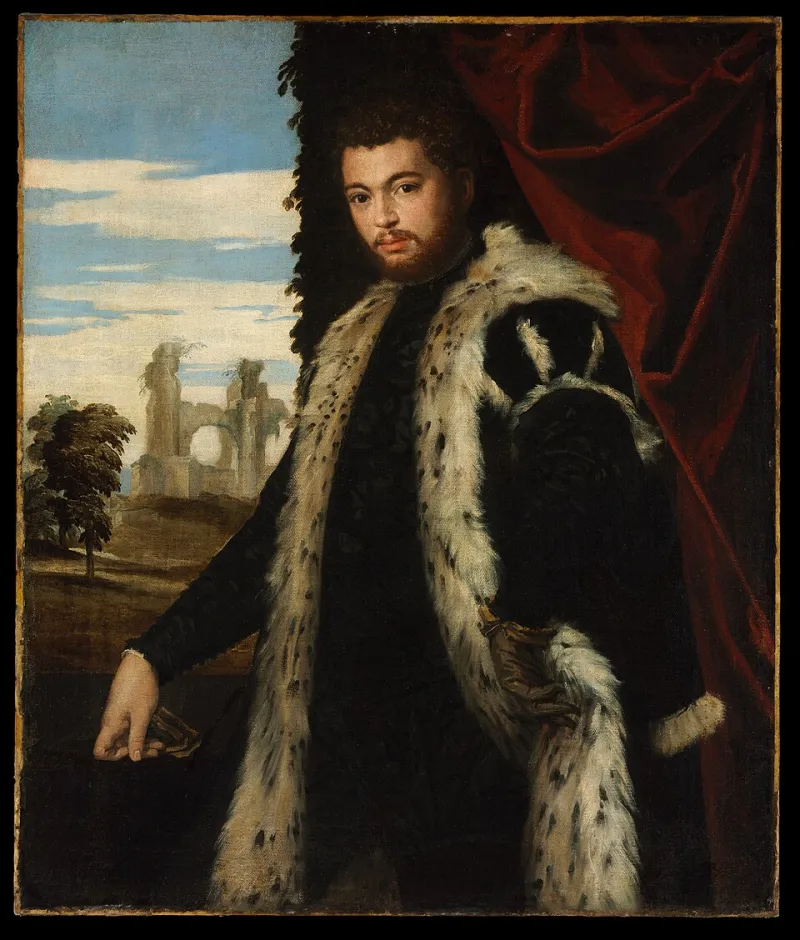
Photo: Paolo Veronese, Public domain, via Wikimedia Commons
There's a moment every guy eventually has. You're at a wedding, or a funeral, or some other event where the dress code forces you out of your hoodie rotation, and you see him. Some uncle. Some friend's dad. Maybe an actual grandfather. And everything he's wearing looks like it was chosen, not bought. The overcoat has a weight to it. The bag has scars. Nothing matches in the loud way — it matches in the way a house matches, because it's been lived in.
Then you go home and open your closet, which is full of stuff that will be discontinued by spring.
The Algorithm Doesn't Know Your Grandfather
We're in the strangest fashion moment in American history. Every guy under 30 is being fed the same twenty products by the same recommendation engines. You know the look — boxy tee, barrel jeans, some sneaker that sold out in four minutes. It's not that it looks bad. It's that it looks identical on a guy in Austin, a guy in Chicago, and a guy in Philadelphia. When everyone shops from the same feed, everyone converges on the same fit.
Which is exactly why the counter-move is so effective: wear something the algorithm can't sell you. Wear something old. Not vintage-in-the-thrifted-streetwear sense — we're talking about the stuff that's actually been sitting in men's closets for seventy years, unchanged, because it worked the first time. A proper overcoat. A leather weekender. A hat that is not a joke.
These pieces read as earned. And in 2025, earned is the rarest flex there is.
Patience Is a Style Statement
Here's the psychological trick your grandfather understood without knowing it: he bought things once. The overcoat was an expense, so he bought a good one. The duffel was for life, so the leather was real. He didn't have a cart full of $34 impulse buys — he had three things he'd owned for decades.
When you wear one of those pieces today, people can feel that. A young guy in a heavy wool topcoat doesn't look like he's playing dress-up. He looks like he made a decision and stuck with it, which — let's be honest — signals something in every room you walk into. Dating, job interviews, meeting her parents. Patience is legible. Impulse is legible too, just less flatteringly.
There's also a practical angle nobody talks about: old-man items are solved problems. The topcoat hasn't been redesigned because it doesn't need to be. The leather duffel is the same bag Hemingway threw in a car. You're not chasing a trend; you're opting out of the chase entirely.
Three Pieces, Under $150, Zero Irony
You don't need to drop four figures at a heritage brand to pull this off. Start here:
1. The Wool Overcoat ($100–$150). Look for a heavy wool blend in charcoal, camel, or navy — knee-length or just above. Skip the slim technical parkas; you want something with structure that goes over a hoodie or a shirt without a fight. Thrift stores and military surplus shops are loaded with these for the price of a takeout order. Wear it with literally everything you already own. It upgrades the sweatpants.
2. The Leather Duffel or Weekender ($80–$150). Full-grain or crazy-horse leather, brass zipper if you can find it. Brands like Polene-adjacent leather goods makers, L.L.Bean, and a dozen small American workshops make these at honest prices. Carry it on a weekend trip and I promise you three people will ask where you got it. Nobody asks about your nylon gym bag.
3. The Un-Ironic Hat ($30–$60). Not a fedora — we're not doing that. Think wool flat cap, a watch cap in a good yarn, or a simple brimmed felt in charcoal. The rule: if you'd wear it to the hardware store with a straight face, it works. If it needs a punchline, put it back.
Own Your Era — Borrow Someone Else's
The whole philosophy of this site is that your clothes should define your moment, not follow someone else's feed. And here's the paradox: the fastest way to stand out from the algorithm is to reach past it. One piece that looks inherited does more for your look than ten pieces that look purchased.
Start with one. Break it in. In ten years, some kid will look at you at a wedding and think the same thing you're thinking right now.
That's the grandfather clause. It's not about dressing old. It's about dressing like something lasts.