The $12 Find That Changed How I Shop: A Real-World Guide to Thrifting Designer in America
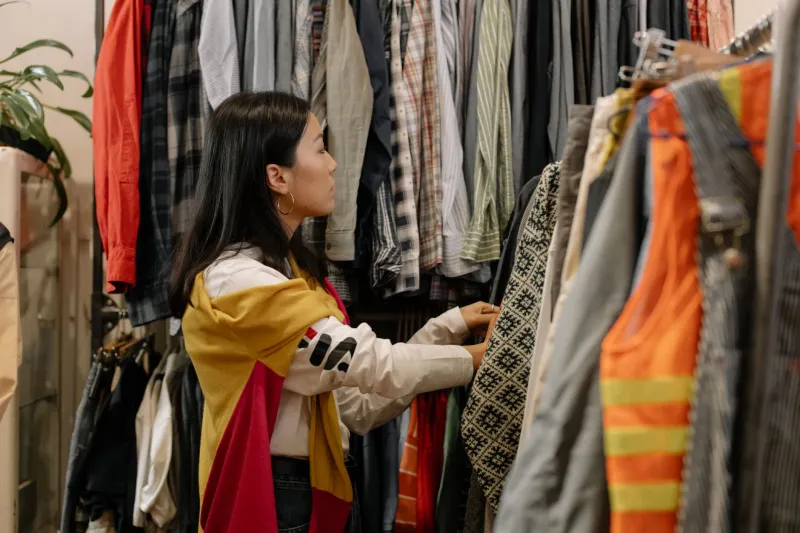
Somewhere in a Goodwill in Columbus, Ohio, there's a wool overcoat with the tag still on it. Retail: $400. Thrift price: probably $12.99. The only question is whether you're the guy who finds it or the guy who buys fast fashion duplicates of it at three times the cost.
Thrifting has a branding problem. Guys hear "secondhand" and picture digging through mothball-scented racks for someone else's rejects. What they don't picture: a Burberry trench for the price of lunch, raw denim with the perfect fade already broken in, or a leather jacket that would cost $600 new. The stuff is out there. You just need a system.
Timing Is Everything — Shop When the Shelves Are Full
Thrift stores don't restock like retail. Inventory drops in waves, and the guys who score are the ones who show up right after the wave hits.
Most Goodwills and Salvation Army locations process donations and put out new stock in the morning, so a Tuesday at 10 a.m. beats a Saturday at 3 p.m. every time. Weekend afternoons are picked clean — that's when you're shopping through the leftovers of everyone who got there first.
Estate sales are a different animal entirely. These are the real goldmines for quality menswear because you're dealing with a lifetime of accumulated clothing, often from men who bought good suits when suits were non-negotiable. Hit them on the final day when sellers are slashing prices 50% or more just to clear out. Show up early on day one for the rare stuff, day three for the deals.
And if your city has a Goodwill Outlet — the "bins," where clothing is sold by the pound — prepare to work for it. Everything's dumped in giant blue bins, but wool sweaters and designer button-downs regularly go for under $2 a pound. It's the closest thing to a cheat code in American secondhand shopping.
Spotting the Real Thing
Fake designer is everywhere, but authentication at thrift prices is easier than you'd think. The tells:
- Stitching. Count them per inch. Real designer garments are dense and even. Loose, crooked, or fraying thread means walk away.
- Labels. Learn what authentic tags look like for a few key brands — Ralph Lauren, Brooks Brothers, Barbour, L.L. Bean. Font, spacing, and country of origin matter. A quick phone check in the aisle is fair game.
- Hardware and zippers. YKK zippers are fine on mid-tier stuff, but luxury brands use custom pulls stamped with their name. Unbranded cheap zippers on a "Prada" jacket? Pass.
- Weight. Pick it up. Quality wool, real leather, and heavy cotton feel different immediately. If it feels like a hotel bathrobe, it was priced like one for a reason.
When in doubt, skip it. There's always another rack.
The Underrated Goldmine Cities
Coastal cities get all the credit, but the best value secondhand markets in America are often places nobody brags about.
Cleveland, Pittsburgh, and St. Louis have aging populations, strong donation cultures, and almost no reseller competition. Estate sale culture runs deep in these towns, and vintage workwear and tailored jackets show up constantly.
Portland and Minneapolis punch way above their weight for outdoor and heritage brands — Pendleton wool, Filson bags, Red Wing-adjacent boots — at prices Seattle shoppers can only dream about.
College towns in general (Ann Arbor, Boulder, Athens, Georgia) are sneaky good. Every graduation season and dorm move-out dumps thousands of near-new items into local shops.
Meanwhile, LA, NYC, and Austin? Great selection, but every reseller with a Depop account has already been through those racks. If you're in a major market, your edge is the bins and the estate sales, not the curated vintage boutiques.
Your First Haul: The Rookie Checklist
Never set foot in a thrift store? Here's your game plan for trip number one:
- Wear a fitted tee and sweatpants. You'll be trying things on over your clothes in some shops. Dress for the fitting room you wish you had.
- Go straight to the wool and denim. Skip the graphic tees and fast fashion — those brands are new for a reason. Wool sweaters, blazers, overcoats, and rigid denim are where the value hides.
- Check every seam and armpit. Moth holes, pit stains, and blown-out elbows are the three killers. Two minutes of inspection saves a lot of regret.
- Ignore the size tag, trust the tape measure. Vintage sizing runs wildly different from modern cuts. A "46 regular" from 1988 fits nothing like today's 46. Measure a jacket that fits you at home and bring those numbers.
- Set a budget and a list. Walk in knowing you need, say, a navy blazer and a chunky knit. Without a list, you'll leave with three Hawaiian shirts and a sense of shame.
- Buy the flaw you can fix, skip the flaw you can't. Missing buttons are free. Stains on silk are forever.
Own the Rack, Own the Era
The guys building the best wardrobes on a budget aren't the ones with the biggest receipts. They're the ones who know where to look. Every city in America has a rack with your size on it — and a price tag that feels like a misprint. Go find it before somebody else does.